noble, natural and recyclable metals
Secco profiles are made from high-quality metals — brass, corten steel, stainless steel, and zinc-magnesium — selected for their mechanical properties and durability, but also for their dynamic interaction with light: surfaces that reflect, absorb, and change, transforming matter into architectural form and a memory of time.
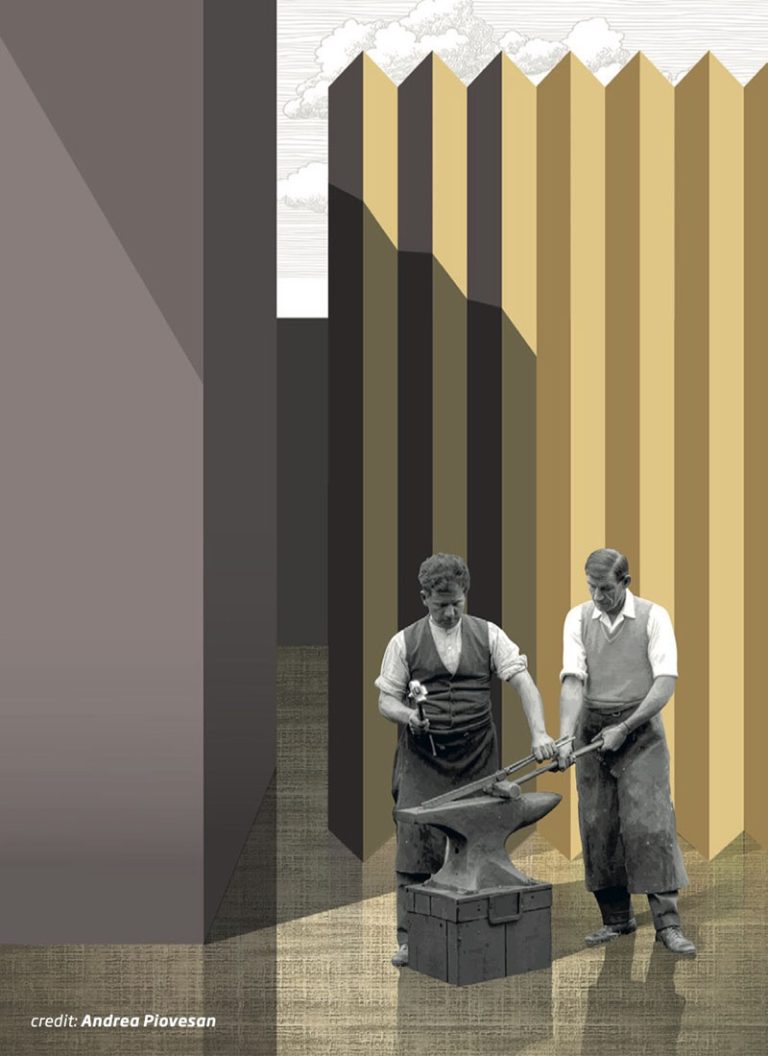
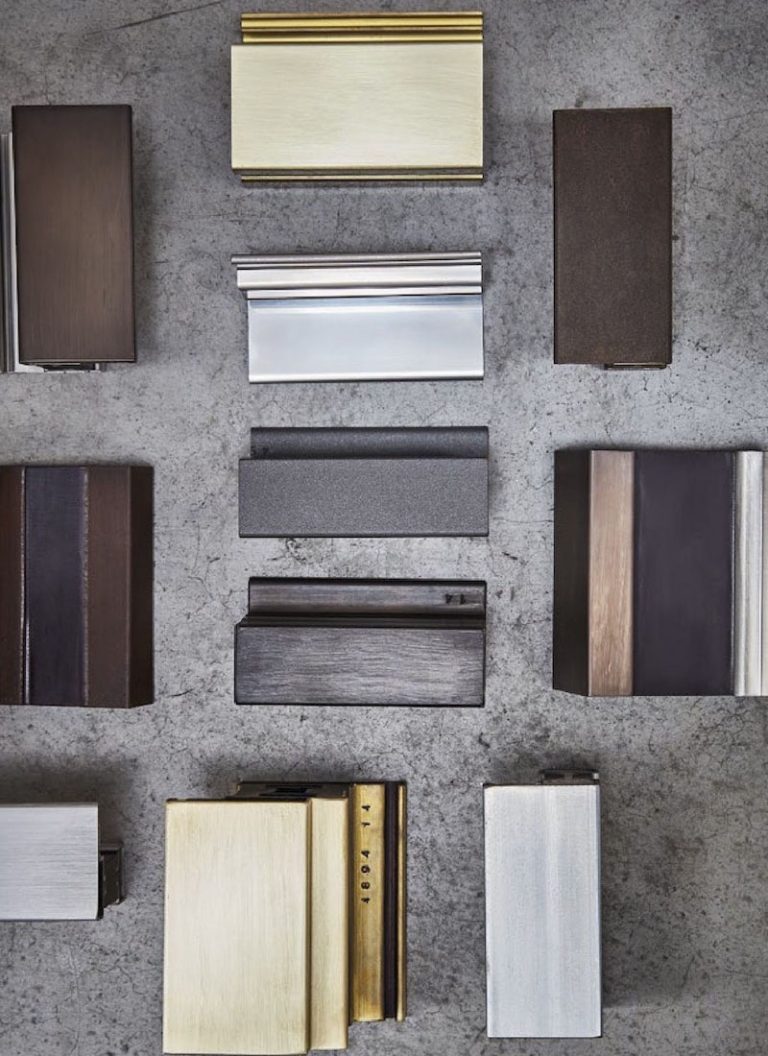
Of the highest quality, the metal alloys used by Secco Sistemi for its frames have precise characteristics: they are natural, intact and safe, ductile and versatile. Valued for their structural strength and long-lasting performance with very low maintenance requirements, the yare also fully recyclable and reusable. Brass, stainless steel, corten steel, and zinc-magnesium steel, with their different surfaces and finishes, offer multiple and extraordinary expressive possibilities. Thanks to Secco’s systems, these metals translate and embody design concepts in built works, integrating into the most diverse settings and landscapes in terms of environment and climate, tradition and culture. The deep knowledge of metals and their processing, which respects and enhances their natural qualities and beauty, distinguishes Secco Sistemi’s work. This expertise makes it possible, by collaborating with designers from the earliest stages, to identify optimal solutions and select the most suitable metal for every need.
brass
the OT67 alloy (copper 67%; zinc 33%) offers high corrosion resistance, strength and hardness, with 100% reuse potential
— satin brass
— burnished brass
satin brass
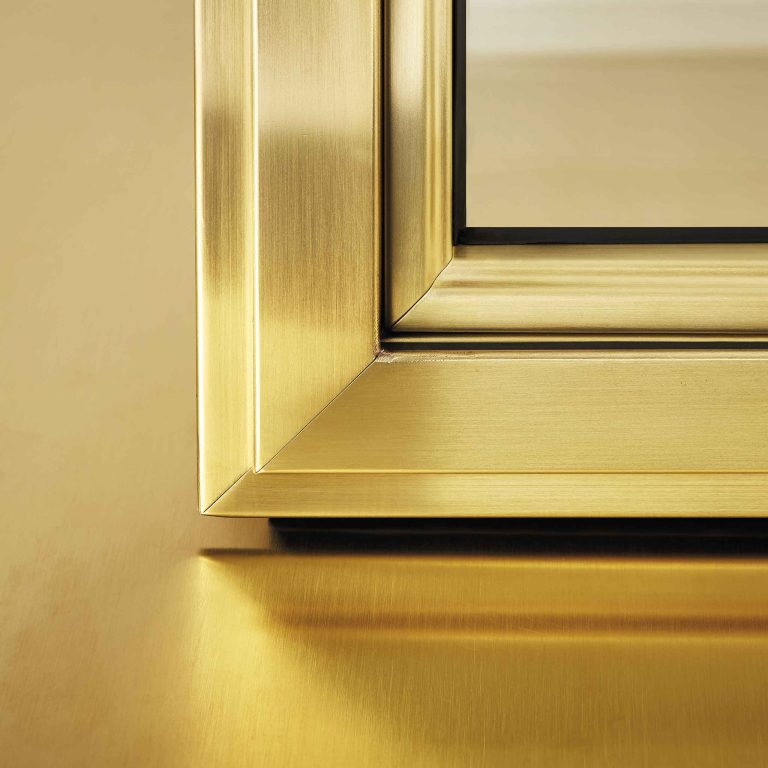
Brass with a matte, velvety finish, achieved by brushing with a 220-grit abrasive that evens the surface and reduces reflectivity. The result is a material elegance that is refined and understated. To preserve this appearance over time, the surface is protected with a coat of wax or petroleum jelly oil. The brass used by Secco Sistemi is an alloy composed of 67% copper and 33% zinc, prized for its excellent cold workability and corrosion resistance. The technical designations of this alloy are OT67 (Italian), CuZn33 (international), and CW506L (European EN 12167). Carbon footprint (OS2 system): 237 kgCO₂eq/t.
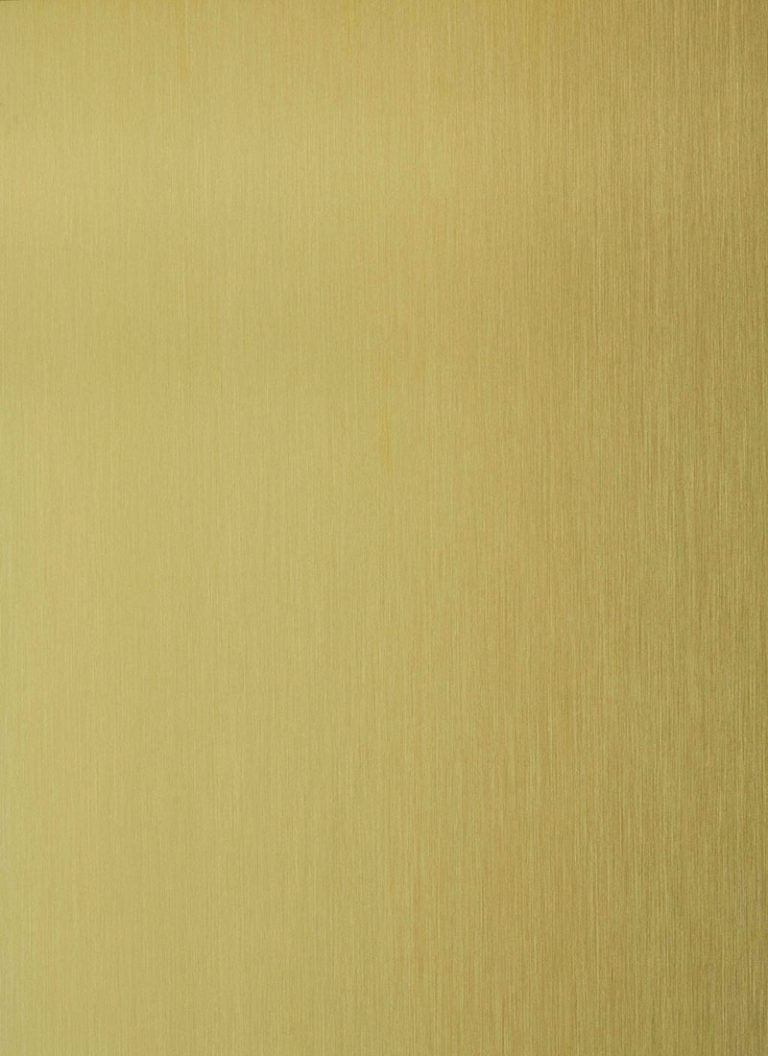
burnished brass
Brass with a dark, warm and tactile finish, achieved through a controlled oxidation process in which the metal, after careful cleaning, is immersed in a burnishing solution. Burnishing reduces reflectance and imparts chromatic depth, while a subsequent application of wax or petroleum jelly oil preserves the surface. The brass used by Secco Sistemi is an alloy composed of 67% copper and 33% zinc, prized for its excellent cold workability and corrosion resistance. The technical designations of this alloy are OT67 (Italian), CuZn33 (international), and CW506L (European EN 12167). Carbon footprint (OS2 system): 237 kgCO₂eq/t.
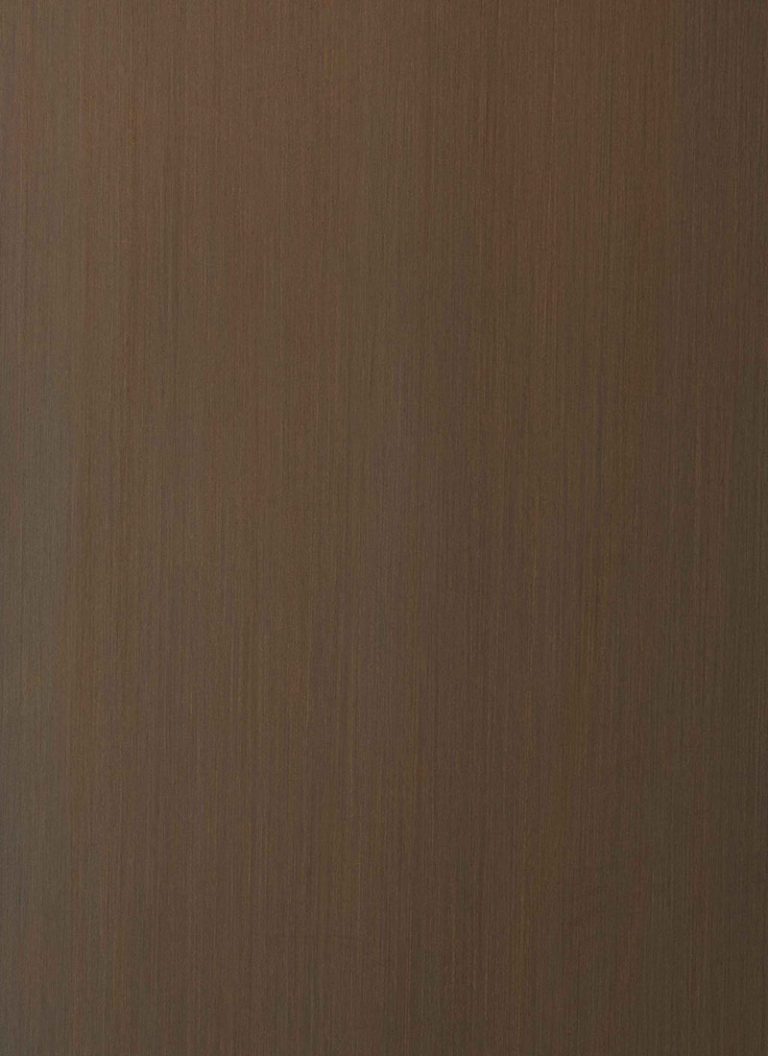
stainless steel
stainless steel is characterised by thermal conductivity 10 times lower than aluminium and by exceptional corrosion resistance
— burnished stainless steel
— polished stainless steel
— Scotch-Brite™ stainless steel
— satin stainless steel
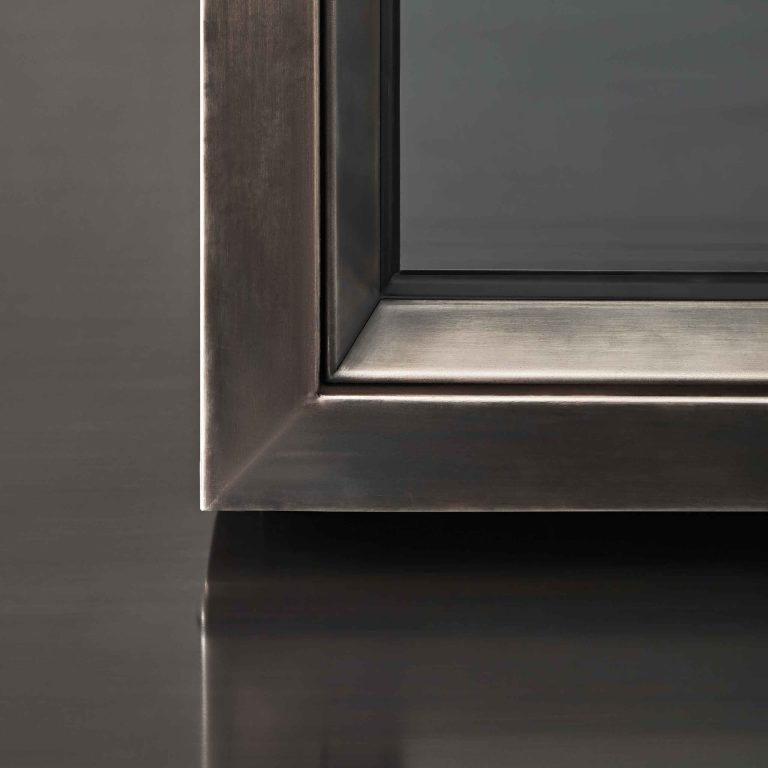
burnished stainless steel
AISI 316L stainless steel with a dark, velvety finish, applied by hand through a burnishing solution that softens the metal’s natural reflectivity and enhances its solidity, lending it an elegant and profound character with a strong material presence. The surface is protected with wax or petroleum jelly oil. AISI 316L stainless steel (EN 1.4404) is a low-carbon ferrous alloy with 16–18% chromium (Cr), 10–14% nickel (Ni), 2–3% molybdenum (Mo), and less than 0.03% carbon, offering exceptional corrosion resistance even in aggressive or saline environments. Carbon footprint (OS2 system): 436 kgCO₂eq/t.
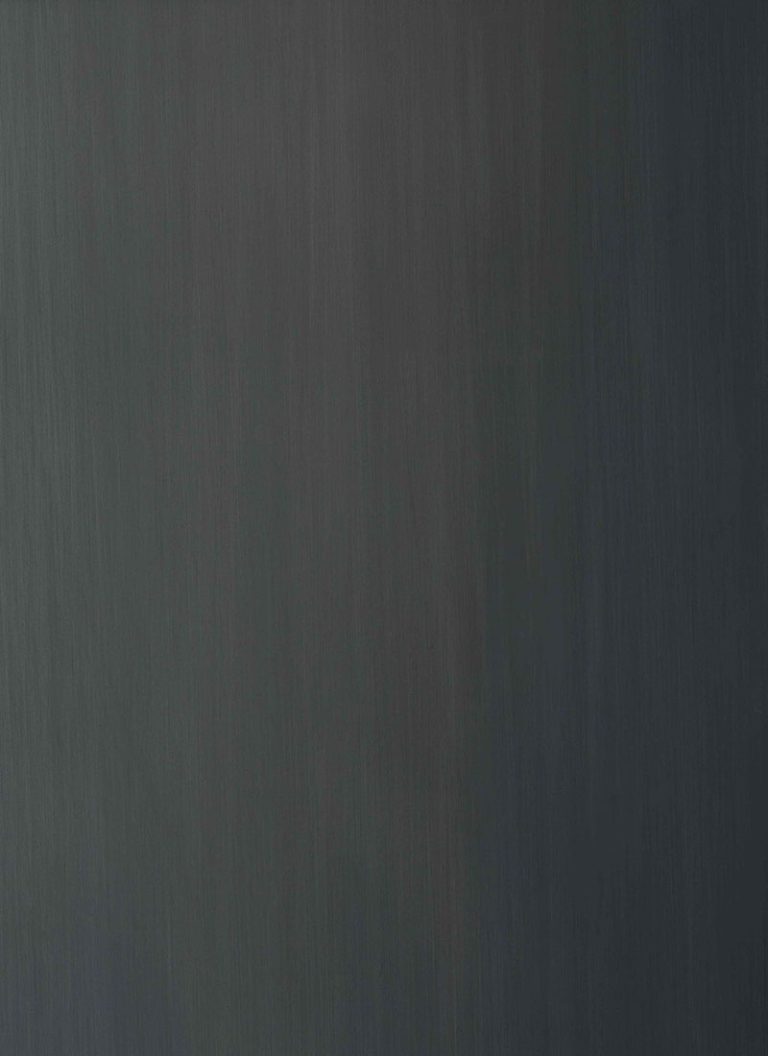
polished stainless steel
AISI 316L stainless steel with a mirror finish, achieved through mechanical polishing that renders the surface smooth and continuous, enhancing its natural brilliance. The result is a clean and elegant appearance, ideal for high-impact architectural applications. AISI 316L stainless steel (EN 1.4404) is a low-carbon ferrous alloy with 16–18% chromium (Cr), 10–14% nickel (Ni), 2–3% molybdenum (Mo), and less than 0.03% carbon, offering exceptional corrosion resistance even in aggressive or saline environments. Carbon footprint (OS2 system): 436 kgCO₂eq/t.

Scotch-Brite™ stainless steel
AISI 316L stainless steel with a uniform satin finish produced using Scotch-Brite™ abrasive pads, which generate parallel, regular micro-scratches for a soft, directional texture with low reflectance — ideal for applications of discreet elegance. AISI 316L stainless steel (EN 1.4404) is a low-carbon ferrous alloy with 16–18% chromium (Cr), 10–14% nickel (Ni), 2–3% molybdenum (Mo), and less than 0.03% carbon, offering exceptional corrosion resistance even in aggressive or saline environments. Carbon footprint (OS2 system): 436 kgCO₂eq/t.
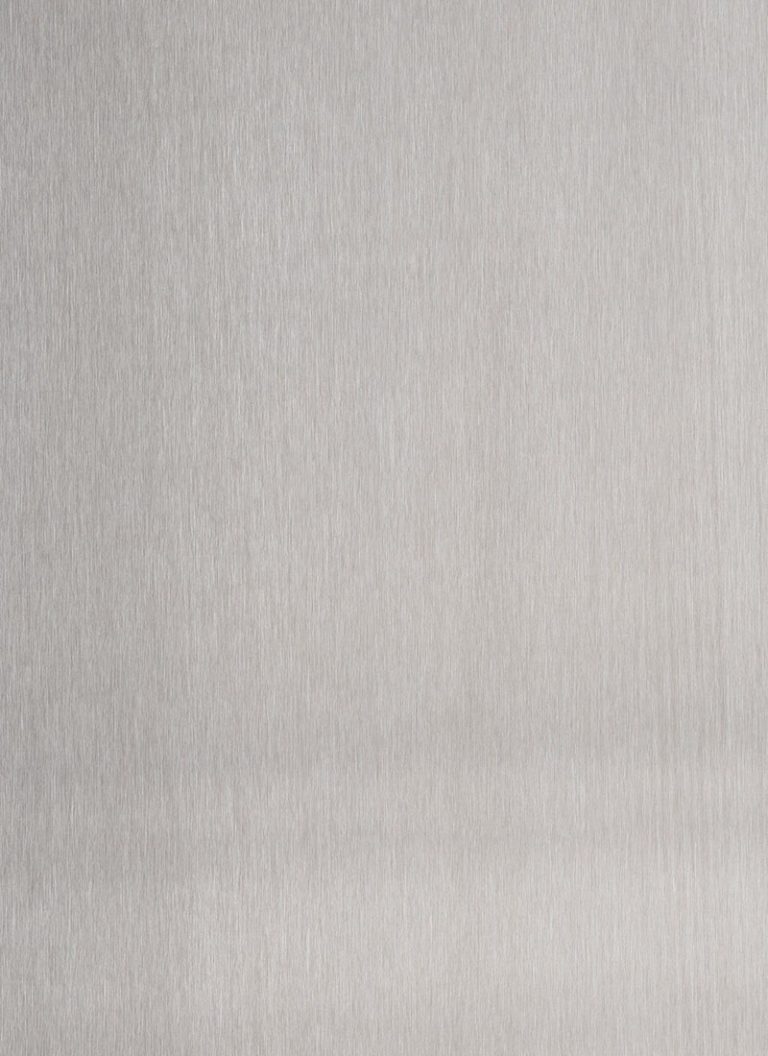
satin stainless steel
AISI 304 stainless steel with a satin finish, obtained through dry-belt mechanical abrasion, which produces a fine, regular grain. The parallel micro-scratches diffuse light evenly, creating a soft and linear reflection. AISI 304 stainless steel (per the American Iron and Steel Institute) is a low-carbon ferrous alloy (less than 0.08% carbon) with 18–20% chromium (Cr) and 8–11% nickel (Ni), offering good corrosion resistance and excellent workability. Carbon footprint (EBE system): 316 kgCO₂eq/t.

COR-TEN® steel
COR-TEN®’s corrosion resistance (COR-rosion) is 6 to 8 times greater than that of conventional steels, and its tensile strength (TEN-sile) is twice as high.
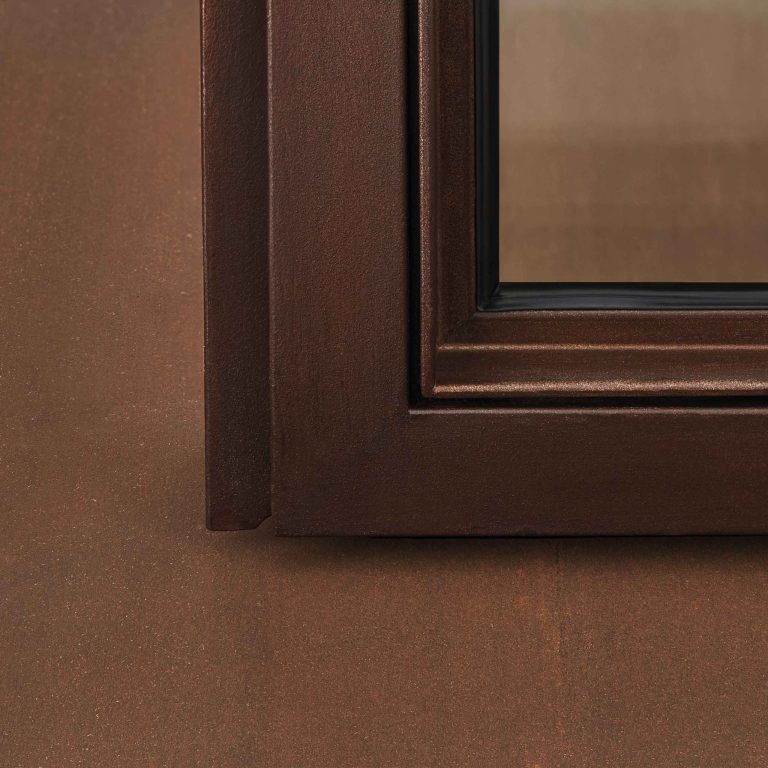
COR-TEN® steel
COR-TEN® steel with an oxidised finish, its surface warm and iridescent. This material is renowned for its ability to develop a self-protecting patina — in hues of brown and copper — that arrests the progression of corrosion. The natural oxidation process is here accelerated to ensure aesthetic uniformity and limit run-off; a final coat of wax further protects the surface. The acronym COR-TEN® derives from CORrosion resistance and TENsile strength; it is a carbon steel enriched with copper (Cu), chromium (Cr), nickel (Ni), and phosphorus (P). Carbon footprint (OS2 system): 326 kgCO₂eq/t.
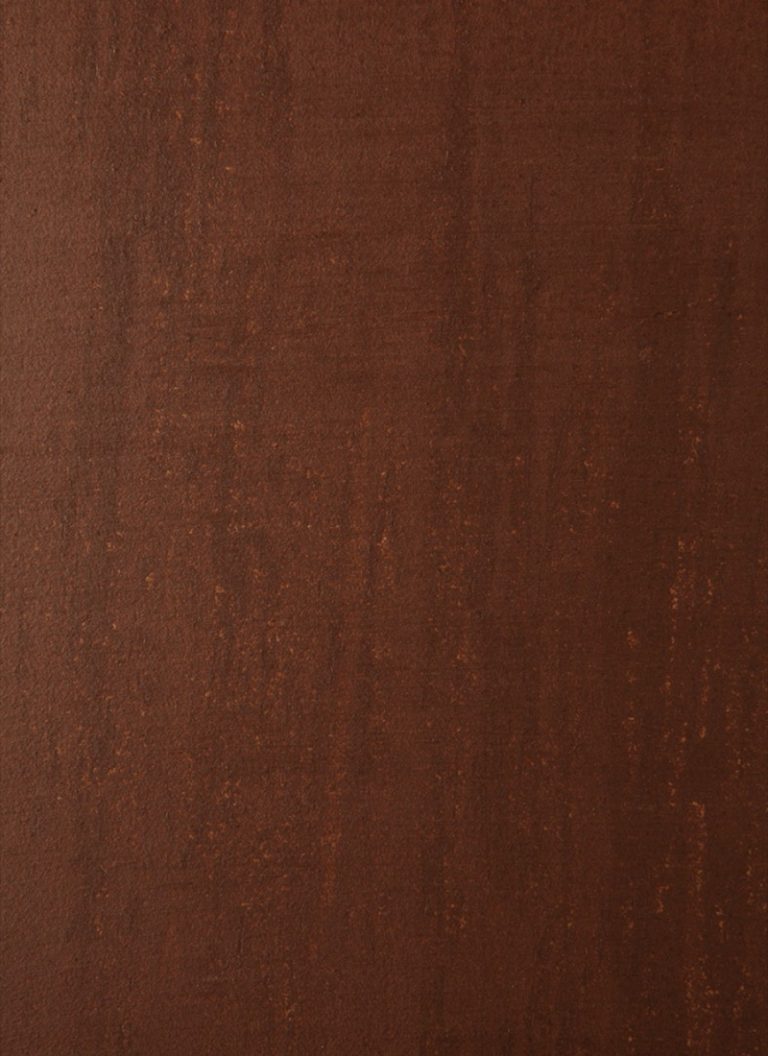
galvanized steel
key characteristics of galvanized steel are an elastic modulus 3 times higher and thermal conductivity 4 times lower than aluminium alloys.
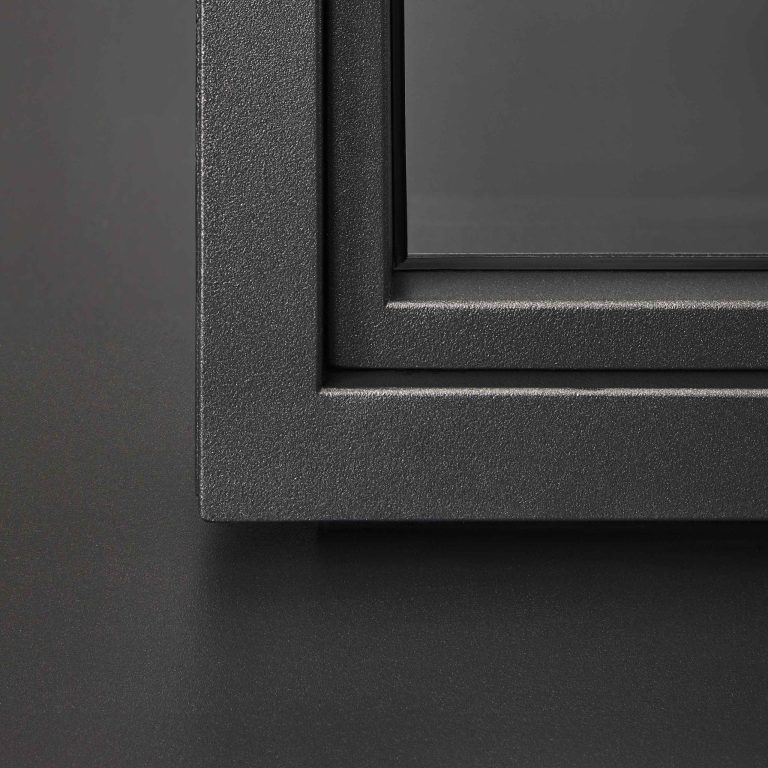
zinc-magnesium steel
Carbon steel coated with zinc-magnesium (Zn-Mg) and subsequently finished with a protective paint. The zinc-magnesium coating, applied by hot-dip metallisation to carbon steel sheets, combines the passivating effect of magnesium with the galvanic barrier of zinc, offering superior protection against oxidation and significantly reducing the carbon footprint compared to conventional galvanized steels. The infinite range of colours, effects and textures available in the paint finish enhances and protects the surface, ensuring greater aesthetic and functional durability, even in aggressive environments. Carbon footprint (OS2 system): 316 kgCO₂eq/t.